Welcome to my first blog-post of December!
I’ve wanted to spend a bit of time exploring some of the questions posed in my recent interview with LTU’s Prof. Jonathan Jackson in more detail. Last week, I wrote a bit about my family’s influence on my journey as an author.
This week, I want to explore the question of whether my work is autobiographical.
I maintain that the answer is no!
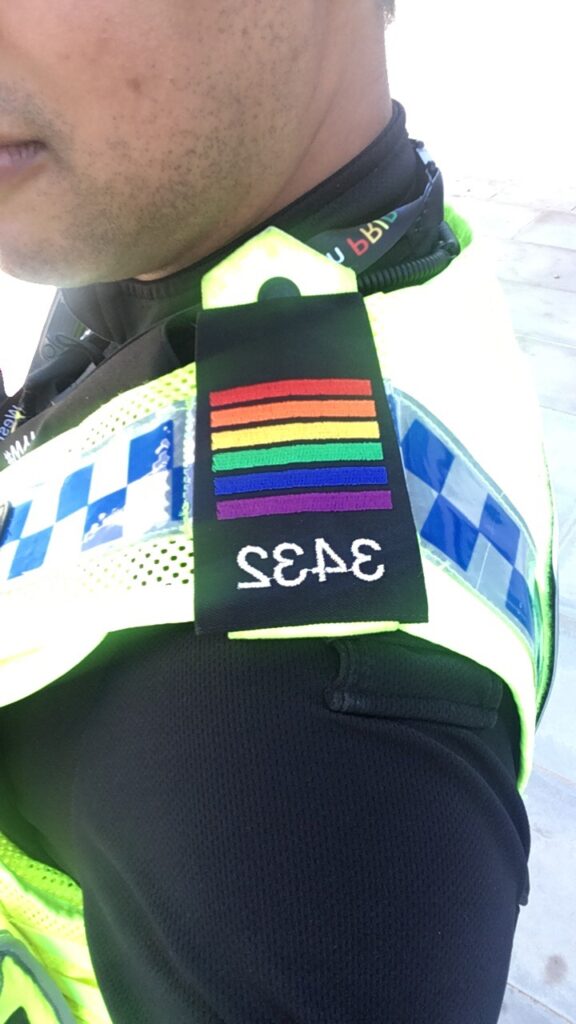
Many will now be raising an eyebrow – after all, my leading man Louis Mortimer is a gay police officer with Mauritian heritage who likes cats. Sound like anyone you know?!
Before I delve into this a bit more, let me explain my answer on a basic level. The joy of writing fiction (for me, anyway) is exploring the imaginary; the freedom to go to physical, emotional and ethical places that you couldn’t perhaps go to in real life. One challenge of character development is working out their backstory. What formative experiences have shaped them? What is their value-system, their psychology? What drives their decision-making?
I want my characters to move through their world in a way that’s authentic to them, not to me. For Louis to simply do what I would do in a situation would be a grave disservice to him. I’m therefore careful that his thoughts and actions are in keeping with his background, not mine.
But why create a character with such similarities to myself in the first place? This is where it gets deep.
Last week, I talked about my early writing efforts. I wrote twisted villains, brave heroes, friendships and relationships to the extent my adolescent understanding would allow. None of it was truly authentic.
At the point of starting high school, I was sure that I was gay – not an easy place to be in the 90s. There were no safe spaces to seek support. The first time I realised that there might be other people like me was when, during my weekly truanting from PE, I found the small Gay & Lesbian (as it was labelled at the time) section in Waterstones Bradford.
My sexuality was a source of intense shame and sadness – constant messaging all around me that I was fundamentally wrong, that I would never have a family or a long life-expectancy due to the risk of HIV. My writing mirrored my reality at the time, trying to hide my authentic self under the biggest rock I could find.
It wasn’t until I reached university that I was able to come out and begin to celebrate my identity. This has become easier over the years, thanks to changes in the law, societal attitudes and just generally connecting with others like me. A huge turning point for me was to march in the Leeds Pride Parade with other colleagues from West Yorkshire Police’s LGBTQ+ Staff Network – to be so ‘out’ and ‘out there’ was a big leap, but it was one of the best things I’ve ever done.
Then I come to the issue of race. I’m fortunate to say that I haven’t experienced much overt racism in my time. It’s also difficult to point to many specific examples of structural racism. For me, the more prominent problem was isolation. Living far away from extended family and having few links to the tiny Mauritian community in West Yorkshire, it was a lonely place. I had a few friends from the Pakistani and Indian communities but it was far from a perfect fit. I found more of a home with the West Indian community: their food, language, music and culture felt closer to Mauritian ways.
Fast-forward to 2022 where I completed the Black & Asian Leadership Initiative (BALI) programme through The Staff College. BALI gave me so much, but let me keep it relevant to this post. I learned to celebrate my unique Mauritian heritage rather than piggy-backing on others.
Finally, I come to the question that BALI posed us at the start of the programme: “What’s in a name?”
I wrestled for a long time on whether to publish under my own name or under a pseudonym; not just for work reasons but also because of those last dregs of shame. In the forefront of my mind was toxicity of social media – the risk of putting myself out there at the mercy of trolls and hate-bots was a massive worry. As you know, I decided to be brave!
I drew a lot of inspiration from Brené Brown’s work on shame and vulnerability. Her ‘Sweaty Creatives’ talk emboldened me to give the final green light for ‘Care & Control’ to be published. Now that it’s out there, I feel proud.
So, I stand by my answer that my writing isn’t autobiographical. It is, however, an unabashed celebration of my intersectionality, especially my Mauritian roots and the LGBTQ+ community I belong to.
The phrase ‘You’ve got to see it to be it’ resonates with me so much. If I can contribute to diversity in crime fiction through my work and my personal story, I’m glad. Better still if it inspires someone or just makes them feel a little less alone.
I told you it would get deep!
Roshan
PS – Cats are ace!